The Beauty of Painted Pointe Shoes in Art
- Isabelle Von der Ahe
- Dec 23, 2025
- 5 min read

Pointe shoes are more than just footwear for ballet dancers; they are a canvas for artistic expression. The delicate craftsmanship and intricate designs of painted pointe shoes have captivated artists and audiences alike. This blog post explores the beauty of painted pointe shoes in art, delving into their history, significance, and the creative processes behind their transformation into stunning pieces of art.
The History of Pointe Shoes
Pointe shoes have a rich history that dates back to the early 19th century. Originally designed to enhance the illusion of weightlessness, these shoes allow dancers to perform on the tips of their toes. Over time, the design and materials of pointe shoes have evolved, but their fundamental purpose remains the same.
Early Designs
The first pointe shoes were made from soft leather, with a simple design that provided minimal support. As ballet evolved, so did the shoes. By the late 1800s, the introduction of the box—a reinforced toe area—allowed dancers to balance more effectively. This innovation opened the door for more intricate choreography and performances.
The Rise of Artistic Expression
As ballet gained popularity, so did the desire for unique and visually striking costumes. Dancers began to personalize their pointe shoes, painting them in various colors and designs. This trend not only added a personal touch but also allowed dancers to express their individuality on stage.
The Significance of Painted Pointe Shoes
Painted pointe shoes serve as a powerful symbol in the world of ballet and art. They represent the intersection of dance and visual creativity, showcasing the artistry involved in both disciplines.
A Canvas for Creativity
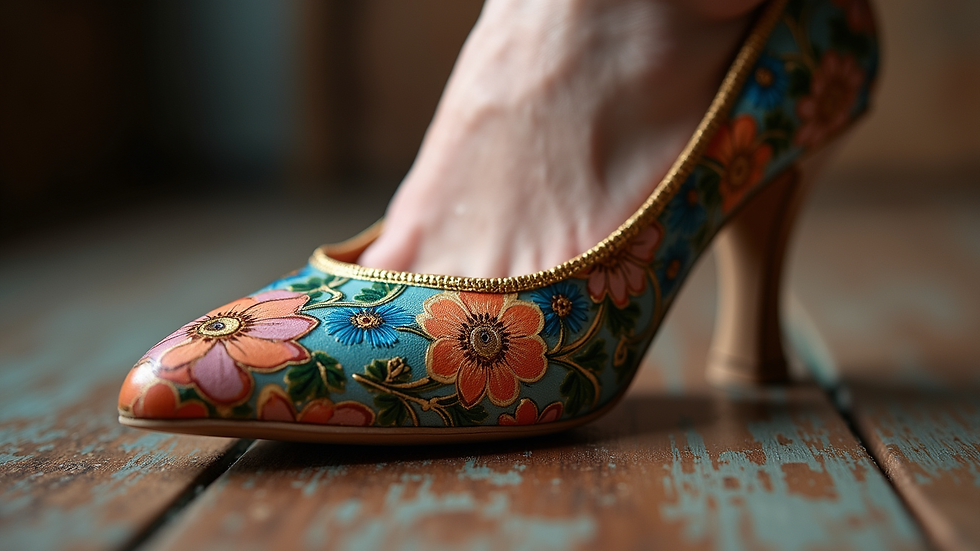
Each painted pointe shoe tells a story. Artists and dancers use these shoes as a medium to convey emotions, themes, and personal narratives. The designs can range from intricate floral patterns to abstract art, reflecting the dancer's personality and artistic vision.
Cultural Impact
Painted pointe shoes have also made their mark on popular culture. They have been featured in various art exhibitions, dance performances, and even fashion shows. This visibility has helped to elevate the status of ballet as an art form, bridging the gap between traditional dance and contemporary art.
The Process of Creating Painted Pointe Shoes
Creating painted pointe shoes is a meticulous process that requires skill and creativity. Here’s a look at the steps involved in transforming a plain pair of pointe shoes into a work of art.
Selecting the Right Shoes
The first step in the process is choosing the right pair of pointe shoes. Dancers often select shoes that fit well and provide the necessary support. The choice of color and material can also influence the final design.
Preparing the Surface
Before painting, the shoes must be properly prepared. This involves cleaning the surface to remove any dirt or oils that could affect the paint's adherence. Some artists may also apply a base coat to create a smooth canvas for their designs.
Designing the Artwork
Once the shoes are prepared, the artist can begin designing the artwork. This stage often involves sketching out ideas and selecting colors. Many artists draw inspiration from nature, emotions, or personal experiences, allowing their creativity to flow freely.
Painting Techniques
There are various techniques that artists can use to paint pointe shoes. Some common methods include:
Acrylic Painting: This versatile medium allows for vibrant colors and detailed designs. Acrylic paint is also durable, making it suitable for shoes that will be worn.
Airbrushing: This technique creates smooth gradients and intricate patterns. Airbrushing can add depth and dimension to the artwork.
Mixed Media: Some artists incorporate other materials, such as fabric or beads, to enhance their designs. This approach adds texture and visual interest.
Sealing the Artwork
After the painting is complete, it is essential to seal the artwork to protect it from wear and tear. A clear sealant can help preserve the colors and prevent chipping, ensuring that the painted pointe shoes remain beautiful for years to come.
The Role of Painted Pointe Shoes in Dance Performances
Painted pointe shoes can significantly enhance a dancer's performance. They not only add visual appeal but also contribute to the overall storytelling of a dance piece.
Enhancing Costumes
In many ballet performances, the costume plays a crucial role in conveying the character and theme. Painted pointe shoes can complement the costume, adding an extra layer of detail that captures the audience's attention. For example, a dancer portraying a flower fairy may wear shoes adorned with floral designs, enhancing the magical atmosphere of the performance.
Symbolism in Dance
The designs on painted pointe shoes can also carry symbolic meaning. For instance, a dancer may choose colors that represent specific emotions or themes, such as red for passion or blue for tranquility. This symbolism can deepen the audience's connection to the performance, making it more impactful.
The Intersection of Ballet and Contemporary Art
The world of ballet is increasingly intersecting with contemporary art, and painted pointe shoes are at the forefront of this movement. Artists and dancers are collaborating to create innovative performances that challenge traditional boundaries.
Collaborative Projects
Many contemporary artists have partnered with ballet companies to create unique performances that incorporate painted pointe shoes. These collaborations often result in visually stunning productions that blend dance, visual art, and storytelling.
Art Exhibitions
Painted pointe shoes have also found a place in art exhibitions, showcasing the creativity and craftsmanship involved in their creation. These exhibitions allow audiences to appreciate the artistry behind the shoes and explore the relationship between dance and visual art.
The Future of Painted Pointe Shoes in Art
As the world of ballet continues to evolve, so too will the art of painted pointe shoes. The future holds exciting possibilities for artists and dancers alike.
Embracing Technology
With advancements in technology, artists can explore new techniques and materials for painting pointe shoes. Digital printing, for example, allows for intricate designs that may be difficult to achieve by hand. This innovation could lead to even more stunning and diverse creations.
Expanding the Audience
As painted pointe shoes gain popularity, there is potential for a broader audience to appreciate this art form. Workshops and classes focused on painting pointe shoes can introduce new artists to this creative outlet, fostering a community of passionate individuals.
Conclusion
The beauty of painted pointe shoes lies in their ability to merge the worlds of dance and visual art. They serve as a canvas for creativity, allowing dancers to express their individuality and emotions. As the art of painted pointe shoes continues to evolve, it will undoubtedly inspire future generations of artists and dancers. Embrace the artistry of painted pointe shoes and consider how they can enhance your own creative journey. Whether you are a dancer, artist, or simply an admirer of ballet, there is something truly magical about these beautifully adorned shoes.

Comments